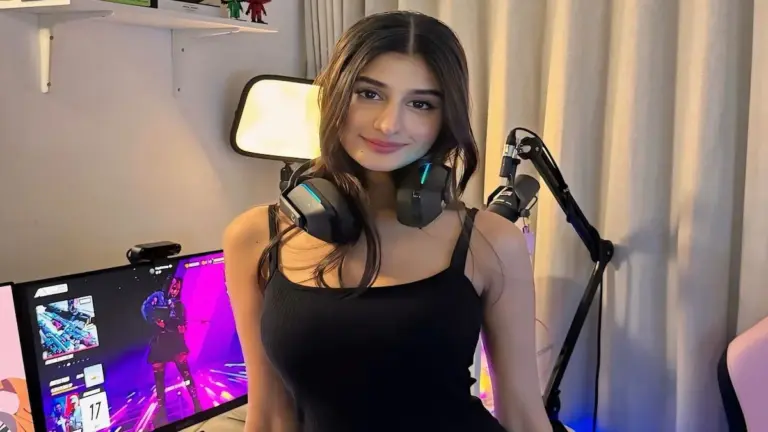
Popular Indian gamer and streamer Payal Dhare, who is widely known by Payal Gaming, is facing serious backlash after an allegedly explicit ‘Dubai MMS’ video or a so-called ‘viral MMS video’ surfaced online.
Though the clip has resulted in numerous fact checks and online investigations, Pouring social critiques have come to the conclusion that the supposed video is fake and is an AI-deep fake that has been incorrectly attributed to Payal.
Why Payal Gaming is Trending right now
In the last few days, there have been numerous messages on X (Twitter), and screenshots on Telegram and Instagram that share links and purport to reveal ‘viral MMS video’, ‘leak MMS’ and ‘Dubai MMS video’ purportedly with Payal.
These contain overly dramatic click bait captions to the point that they have made of Payal one of the most popular search topics on all platforms.
The attention is amplified by the fact that Payal, popular as ‘Payal Gaming‘, is among the most prominent women in the field of gaming and online streaming in India with considerable popularity from her BGMI streaming, collaborations and sponsorships.
Also, her recent participation in events related to Dubai amplified the interest, even though there was no adequate information that connected Payal to the video.
What the Viral MMS actually is — and isn’t
Gaming and news fact checking sites have reported that the current viral video is in no way connected to Payal Dhare and the Dubai video has been deemed inaccurate and misleading.
Her name is linked to many questionable pages that either show no real evidence of anything or are just pages full of spam to collect clicks, data, or seem to point to dangerous sites.
The fact-check analyses indicate that the video is either a deepfake, an AI-generated, or a lookalike whose video has collateral damage through the mislabeling of the title to attract clicks from Payal.
There are superficial inconsistencies, low-resolution face swaps, or discrepancies that typically hint at deepfake technology being employed rather than genuine and reliable evidence.
Payal Dhare’s response and stand
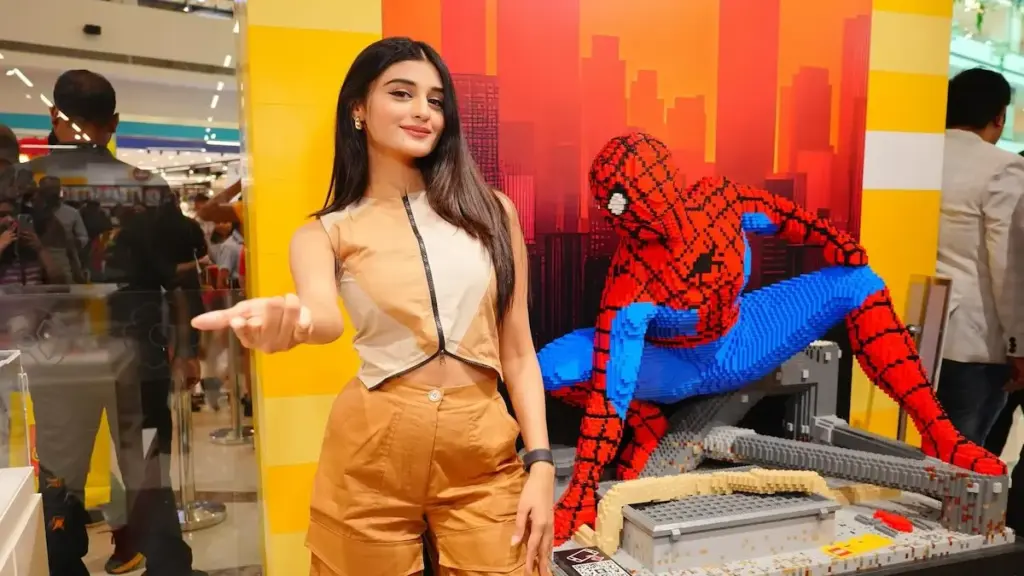
The first thing Payal ended the video speculation on, and, she once again, in a long, certified Instagram statement clarified and made perfectly clear that she has no relation to the video that is circulating in her name.
She characterized the series of events from her point of view as “personal and distressing,” and firmly stated that the video is neither her nor her life or identity.
Her note also stated that it has to be one of the most distressing experiences to have one’s identity associated with such explicit content ultimately just to be used as a clickbait or to garner views.
Although there are no reports detailing what legal action she will take, she seems to take this matter seriously and, based on her statements, considers this to be a case of harassment based on association and online impersonation.
Fans, creators and the deepfake discussion
Long before her statement, a portion of Payal’s fanbase had already defended her, calling the clip in question fake and asking users to stop sharing it. Some of the onlookers and participants pointed out that they visually suspected deepfake alteration of the video and warned that the technology has progressed to the point where it can superimpose a well-known face on a video of an individual parts.
Social media comments, articles, and entertainment news reports situate this incident in a broader context. Women creators, especially gamers and streamers, face harassment in the form of elaborate deepfake impersonation, fake MMS circulating, and an attempt to control or discredit a woman.
The discussion around Payal’s case (and others, like it) is less about ‘scandals’ and more about her digital safety and the lack of existing frameworks to address abuse of legal digital images where consent to use has not been given.
Why this story matters beyond one creator
The Payal Gaming MMS controversy, like many others in the explosively viral content of the last decade, illustrates the reputational crisis and damage public figures face in the absence of robust tools to detect and discourage rampant use of AI.
Before facts were checked and confirmed to be wrong, it took mere hours for people to influence a campaign using cleverly edited video clips, cropped images, and misleading thumbnails to make a name trend on social media.
The incident reminds audiences that just because something is trending, does not make it true. This is especially the case when the topic is fake content and other popular figures. It emphasizes the emotional struggle to see names tied to content that is explicit, and the significant effects these kinds of fabrications can have on women in the esports and gaming world.
The real risk: fake links, scams and cybercrime
Many rumors, along with multiple reports, have warned users of suspicious links that promise to have the “full video” or “uncut MMS. These links can lead to malware, phishing, and data exploitation. Allegedly, some sites use Payal’s name in conjunction with the MMS speculation to lure victims and then attempt to steal their personal bank information.
Fact checkers and cyber safety specialists offer guidance by encouraging users not to download content associated with these viral videos, avoid suspicious telegram groups, and report accounts which utilize deepfake explicit thumbnails along with celebrity names.
Because not every ‘leaked MMS’ claim can be trusted until it is verified with a credible source, everyone should be practicing digital hygiene, not just media literacy.
Deepfakes, the Law, and What Comes Next
The Payal controversy comes just as India is still trying, legally and technologically, to keep up with the surge of deepfake technologies and the abuse of AI-generated images. Although India has IT and cybercrime laws that can be applied to the creators and distributors of edited explicit content, actual law enforcement is just as slow as the videos are to rapidly disseminate.
In the future, incidents of this nature may compel relevant stakeholders – media platforms, enforcement of laws, and creators – to respond to deepfake harassment in a far more constructive manner, with improvements in rapid content removal, advanced algorithms that automatically identify and nullify deepfake content, and effective deterrents for distributors to illustrate the tangible and legal consequences of disseminating content of this nature.